Homelab Update 2025
Posted on December 13, 2025
Another year and the annual series of homelab updates continue (barely made it this year with just a couple of weeks to spare). My homelab has gone through many transformations over the years and 2025 has been no different. If you want to follow along I've linked some of the previous updates:
- 2020 - https://www.careyscloud.ie/homelab2020/
- 2021 - https://www.careyscloud.ie/helios64/
- 2022/2023 - https://www.careyscloud.ie/homelab2023/
- 2024 - https://www.careyscloud.ie/homelab2024/
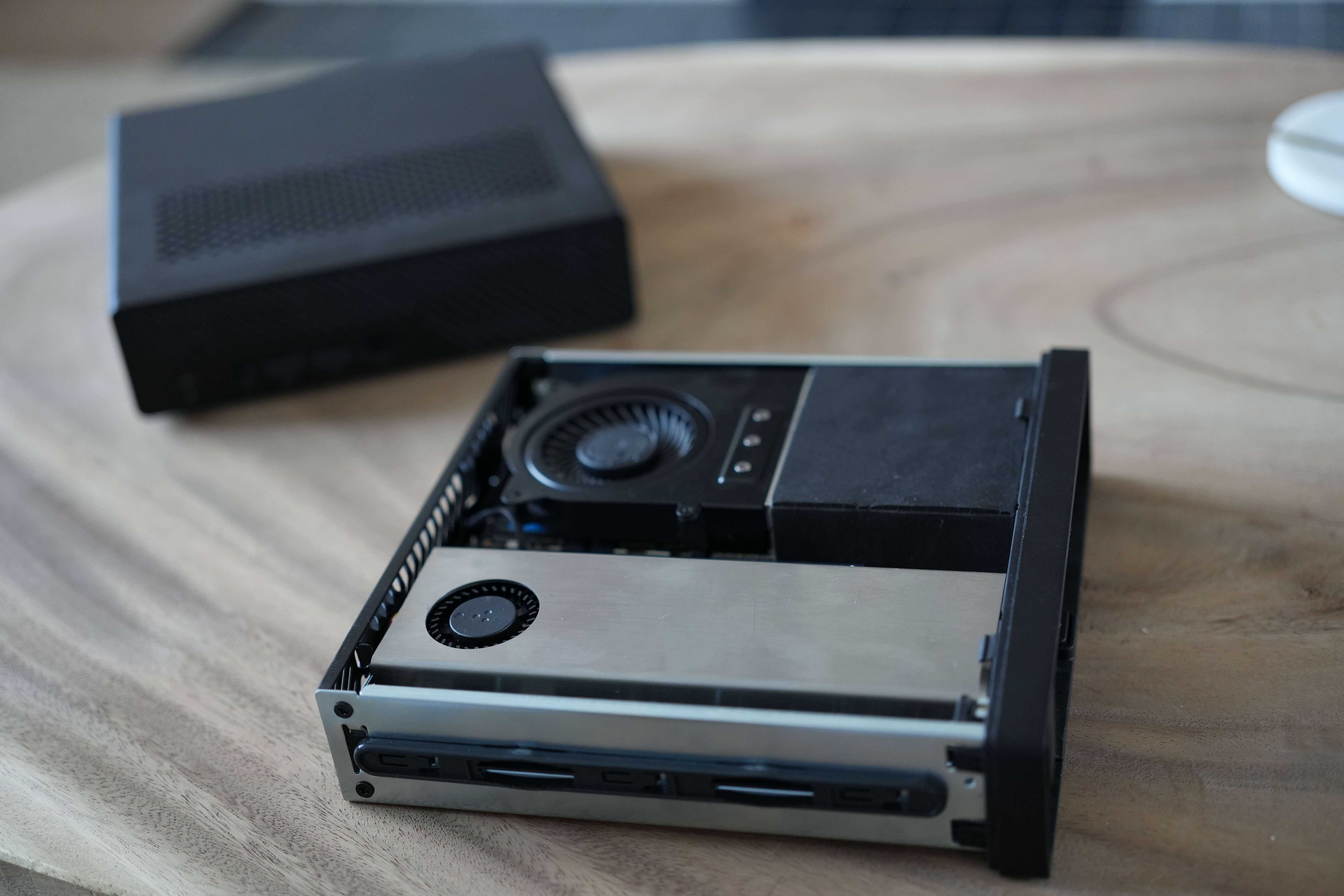
At the end of 2024, I was very happy with the state of homelab and did not foresee any major changes coming in 2025 but Minisforum had other plans for me.. The Minisforum MS-01 proved to be more than enough compute for all of the services that I wanted to run and it was a great addition. Looking back on some of the potential upgrades for 2025 that I outlined, I did end up adding additional NVMe drives to help with storage of virtual machine disks and application data.
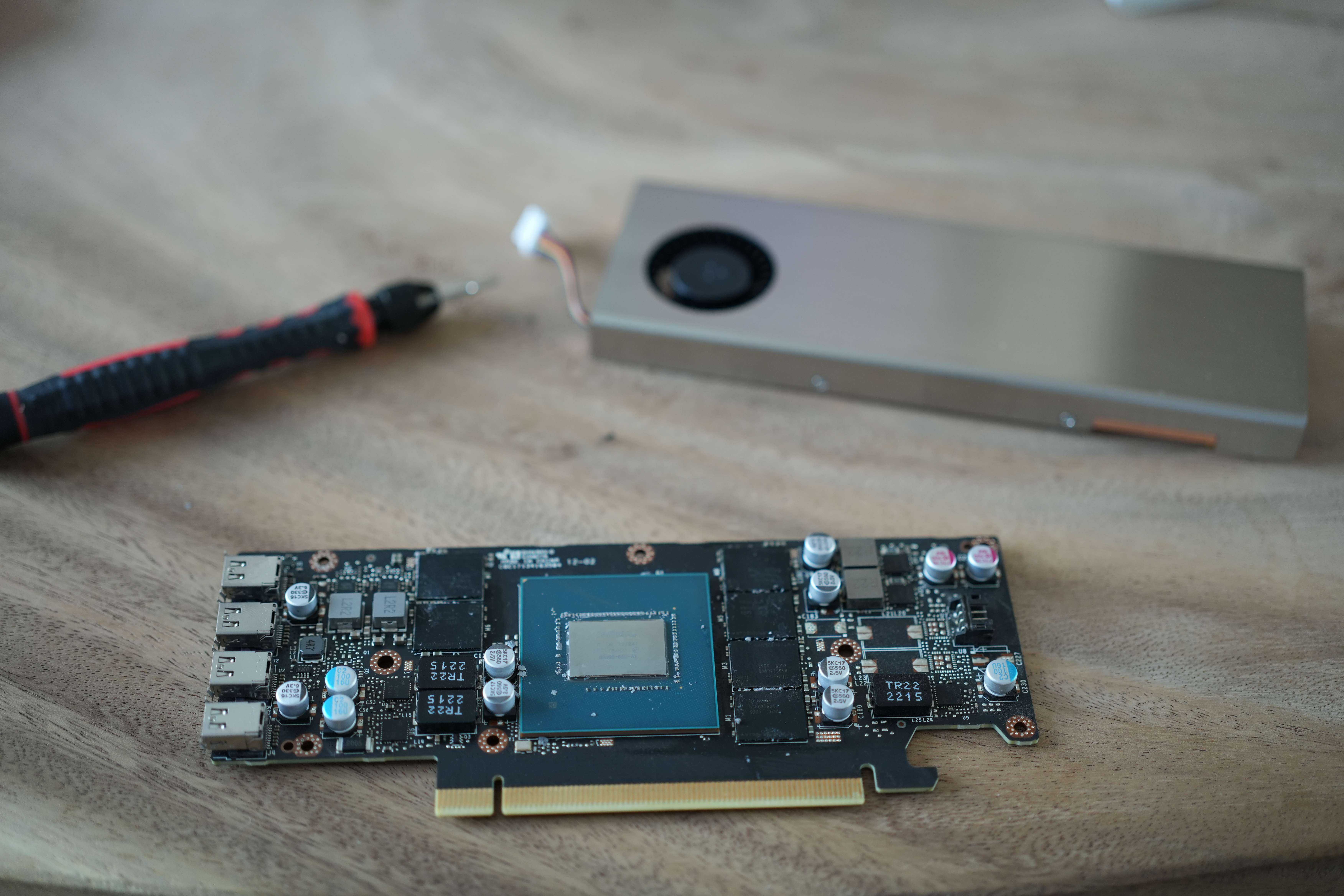
I also picked up a discrete single slot GPU to help accelerate some local AI workloads. The GPU was a secondhand NVIDIA RTX A2000 6GB which I had to update with a single slot cooler from n3rdware in order to get it to fit into the Minisforum MS-01. This allowed me to play around with tools like Ollama for some local LLMs however the 6GB vRAM limited me to using models with just 7 or 8 billion parameters. While these kind of models can be useful, they fall well short of the commercial offerings in my experience. I was tempted to see if my homelab could write this years update about itself but there is enough AI slop out there at the moment without me contributing more to the slop pile. I'm the only one to blame for any mistakes here! 😂
For the rest of the potential upgrades, unfortunately I am still stuck on my ISP's router and I have not yet moved my homelab services to podman quadlets as podman-compose is still doing the job well enough for me.
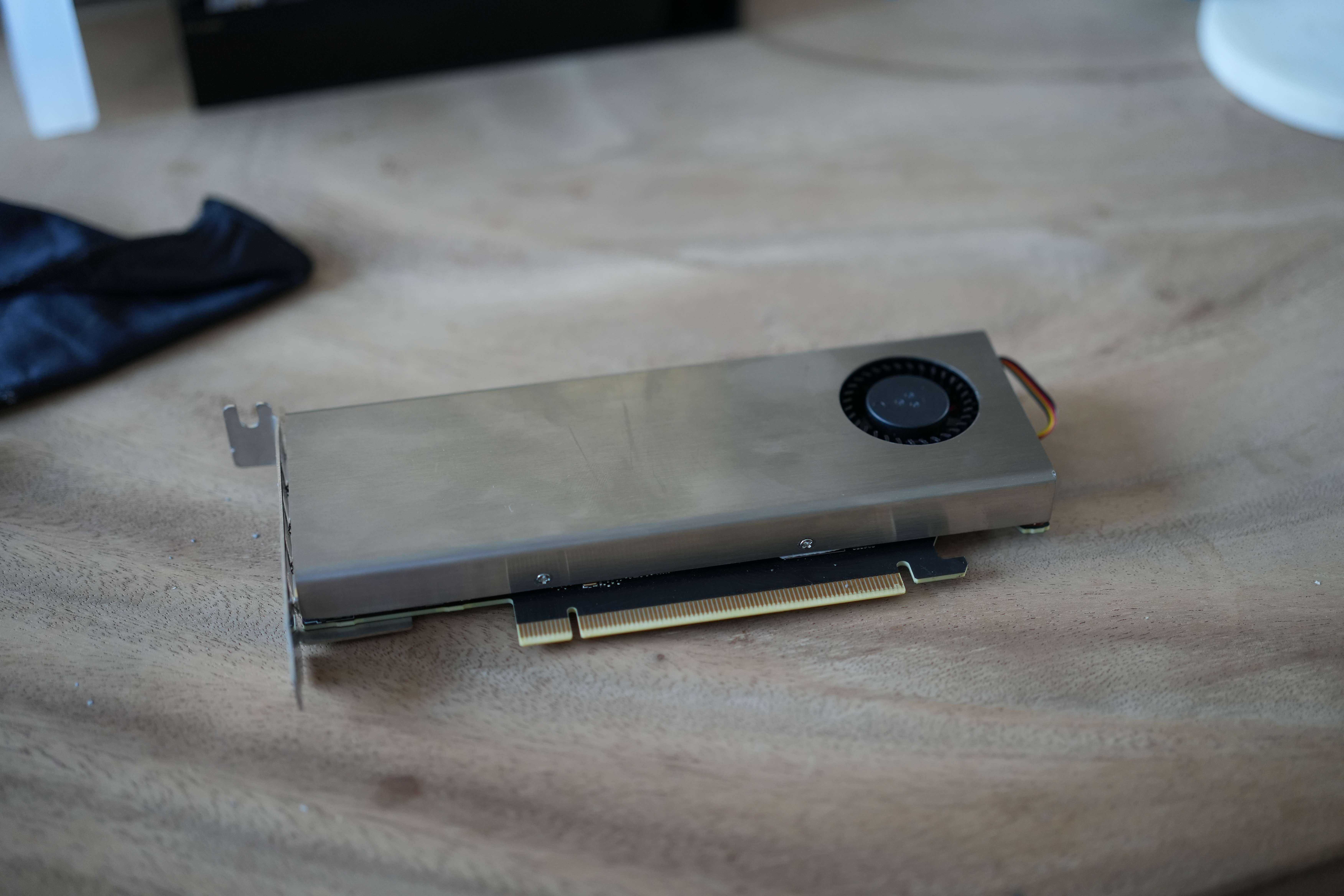
So what changed? Well Minisforum announced their NAS range of devices and their N5 NAS perfectly fitted all my needs while allowing me to consolidate all of my homelab services in one machine. It was basically like an MS-01 but with five hard drive bays which finally allowed me to retire my solid but aging HP Microserver Gen10. It was also nice that I was able to sell the Microserver and MS-01 for a good bit more than what I paid for the new N5 NAS.
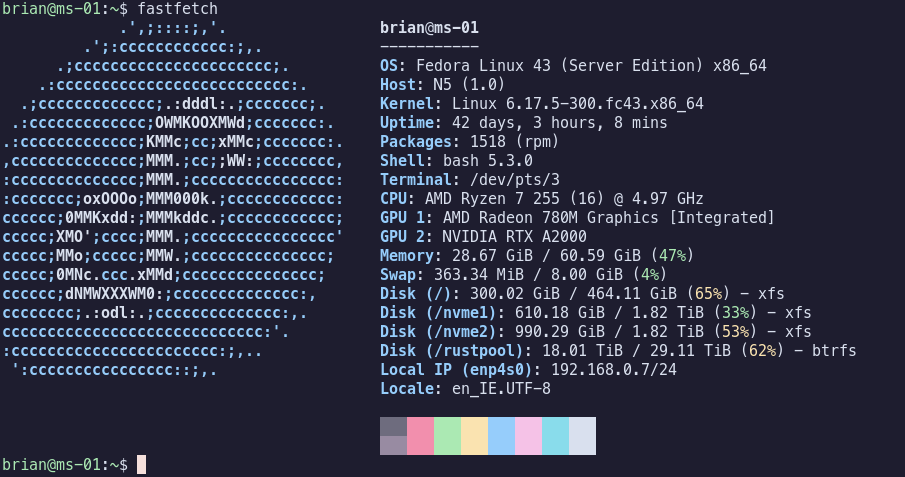
The NAS itself arrived in August and I moved everything over to it pretty much immediately so it has been running well now for 4 months or so. There were a couple of issues with the 5GbE network interface in Fedora Linux that caused network connectivity drop intermittently so I am currently only using the 10GbE network interface and will have to revisit the 5GbE interface at some stage in the future. As part of the move to the N5 NAS, I basically virtualized the server install that I had running on the MS-01 which made it much easier to move between the machines. I passthrough the NVIDIA RTX A2000 directly to this VM which provides hardware acceleration for both media and AI workloads. The GPU was being shared with another VM that I was using as a Cloud Gaming server with Bazzite but the performance wasn't great due to high temperatures and the single slot cooler. In order to keep the GPU temperatures reasonable during sustained use, I had to set a power limit of 55W on the card. At this power limit, it still performs very well for hardware acceleration in Jellyfin, Ollama and Immich. I refer to this setup as my lab-in-a-box
Hardware
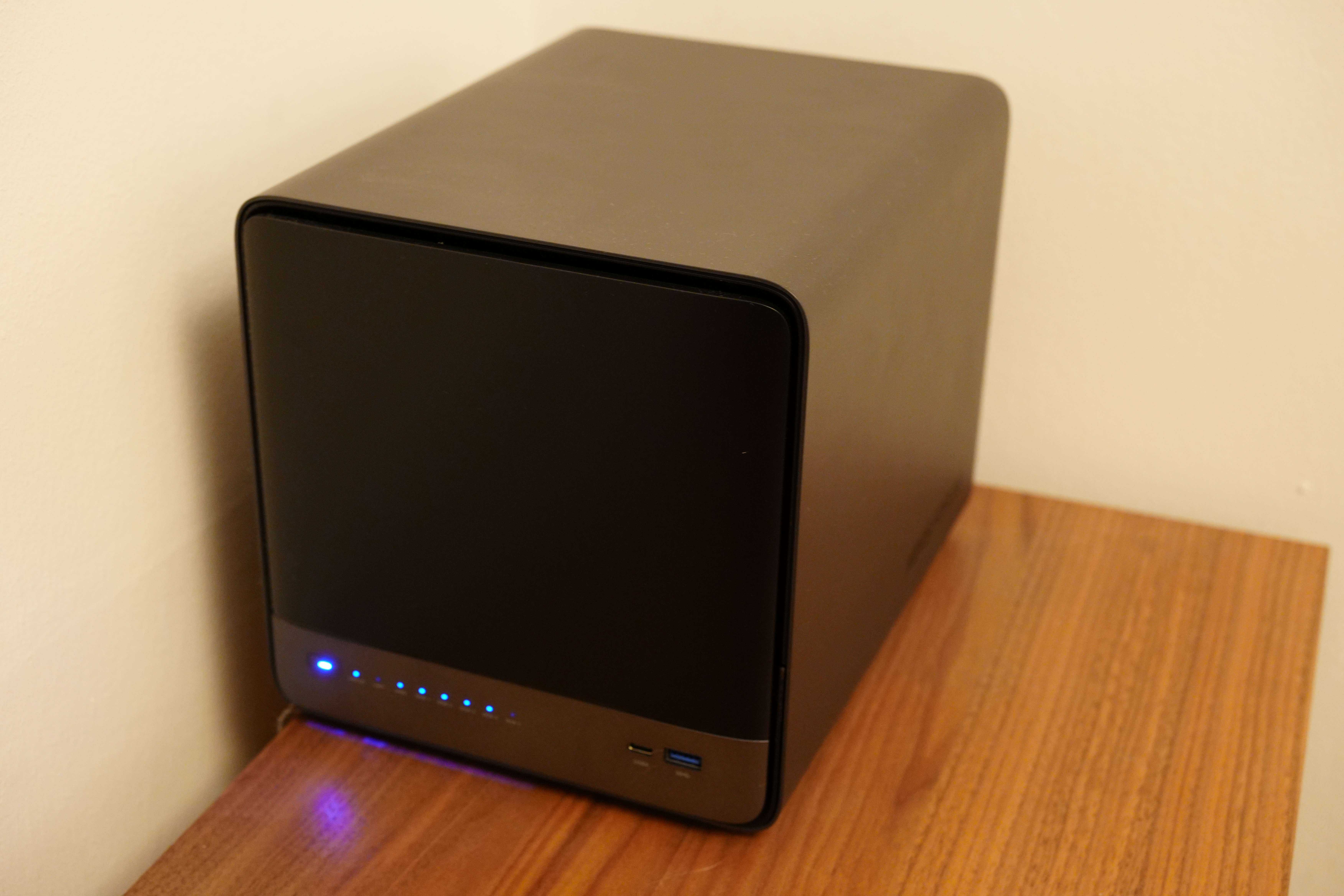
Current hardware configuration for Minisforum N5 NAS:
- AMD Ryzen 7 255 8 core CPU
- 64GB RAM
- NVIDIA RTX A2000 6GB GPU
- 4 x 16TB Seagate Ironwolf NAS drives with one drive bay free for further expansion
- 3 NVMe drives (500GB boot drive, 2TB application data, 2TB virtual machine disks)
Software
Services that I am running in 2025:
- Forgejo
- Jellyfin
- Immich
- Ollama (looking into changing to vLLM as apparently it is better for performance)
- Open-webui
- Paperless-ngx
- Grafana
- Prometheus
- NVIDIA DCGM exporter
- Pi-hole
If you are not familiar with any the above, I definitely recommend checking them out as I have found them very useful over the years.
Offsite Backup Changes
For the past few years, I have been using a Hetzner Storage Box for my offiste backup storage which had been slowly filling up. This year it reached about 85% full at the 2TB tier and I started to look at the costs for upgrading to the next tier storage box which would end up being about €180 per year. Generally I try to avoid subscription services as much as I possibly can so I started looking for alternatives. The alternative would have to be discreet enough that one of my friends would be ok with setting it up in their house.
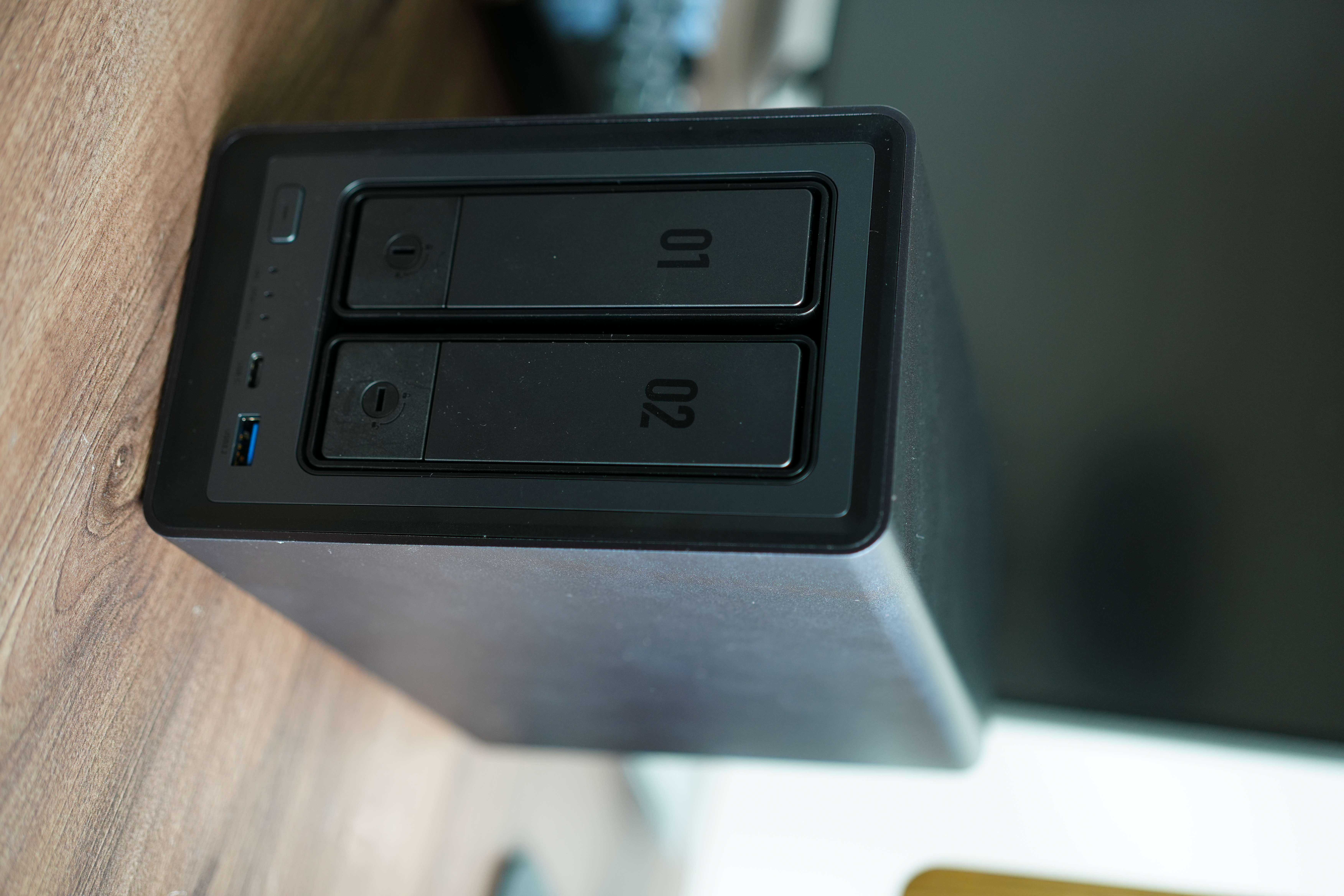
Ugreen also announced their own range of NAS devices recently. One of the main benefits of these devices for me is that they look like off the shelf NAS products but they also allow you install your own OS on them. For my offsite backup server I went for the Ugreen DXP2800 with a single 14TB Seagate Ironwolf drive. The DXP2800 is their two bay NAS and is quite compact which helps with the friend acceptance factor. I usually go with Fedora for my servers but as this is an offsite machine I decided to go with CentOS Stream 10 to avoid having to do major upgrades every 6 months. While its been running great, I forgot that CentOS Stream doesn't include btrfs support which would have been nice to have especially if I were to add a second drive and avail of btrfs RAID. I might have to revisit this going into the future but as it is the server will pay for itself in under two years when compared to the Hetzner subscription.
Potential Upgrades for 2026:
With the way hardware and memory prices are going in the last few months, I really do not expect any changes to this set up for at least another year but you never know. Some things I would like to do if prices become more reasonable:
- Add a second drive to the offsite backup server to avail of some kind of redundancy - having just the single disk here makes me a little nervous..
- Add a dedicated machine for local inference - being stuck using the smaller models does limit their usefulness a bit - maybe get a good deal on a AMD Strix Halo machine like the Framework Desktop
- Add a network router running something like pfsense to give me more control over my home network. I was looking at some of the Protectli Vault machines which seem to be one of the better options out there